



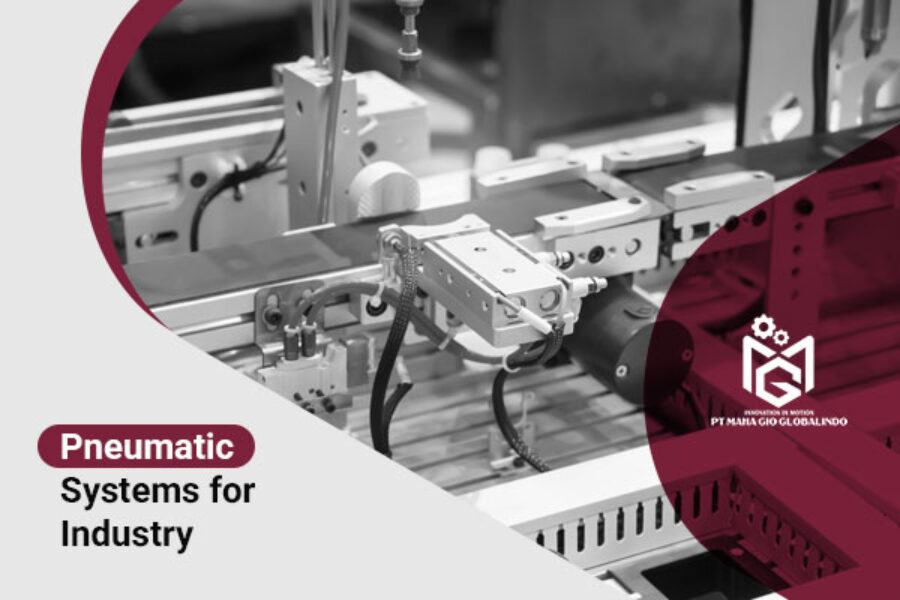
Pneumatic Systems for Industry
Pneumatic systems for industry have become one of the most important technologies in modern industrial operations. As industries continue to pursue higher productivity, operational efficiency, and automation reliability, pneumatic systems provide practical and cost-effective solutions for a wide range of industrial applications.
Today, many industries depend on pneumatic technologies to operate machinery, automate production lines, control industrial processes, and improve manufacturing precision. Because pneumatic systems use compressed air as their primary energy source, they offer clean, safe, and efficient operation in various industrial environments.
From manufacturing facilities and food processing plants to automotive assembly lines and packaging industries, pneumatic systems continue to support industrial growth worldwide. In addition, advancements in industrial automation have increased the demand for reliable pneumatic components such as air cylinders, process valves, actuators, air preparation units, and pneumatic control systems.
As modern industries become more automated and interconnected, pneumatic systems continue to play a major role in supporting operational performance and industrial efficiency.
What Are Pneumatic Systems?
Pneumatic systems are mechanical systems that use compressed air to generate motion, control machinery, and perform industrial operations. These systems convert compressed air energy into mechanical movement for various industrial applications.
Typically, pneumatic systems include several integrated components such as air compressors, valves, cylinders, filters, regulators, actuators, fittings, tubing, and sensors.
Compressed air flows through the system under controlled pressure to activate different mechanical functions. Consequently, pneumatic technologies can support repetitive industrial tasks with high speed and reliability.
Because pneumatic systems are relatively simple and efficient, industries frequently use them in automated production processes and machinery control applications.
How Pneumatic Systems Work
Pneumatic systems operate by compressing atmospheric air using industrial air compressors. After compression, the air moves through pipelines and control components to perform mechanical tasks.
The process generally includes several stages:
Air Compression
Air compressors generate compressed air by reducing air volume and increasing pressure levels.
Air Treatment
Before entering the pneumatic system, compressed air passes through filters, dryers, and regulators to remove moisture, contaminants, and pressure fluctuations.
Air Distribution
The treated compressed air travels through pipes and hoses toward pneumatic components and machinery.
Control and Actuation
Valves control airflow direction, pressure, and speed, while pneumatic actuators and cylinders convert compressed air into mechanical movement.
Exhaust Process
After completing the operation, the system releases the used air safely into the atmosphere.
This simple yet effective operating principle makes pneumatic systems highly reliable for industrial automation.
Main Components of Pneumatic Systems
Several essential components support the performance and reliability of pneumatic systems for industry.
Air Compressors
Air compressors serve as the primary power source of pneumatic systems. They generate compressed air necessary for industrial operations.
Different compressor types include reciprocating compressors, rotary screw compressors, and centrifugal compressors depending on operational requirements.
Pneumatic Cylinders
Pneumatic cylinders convert compressed air into linear mechanical motion. Industries use these cylinders for pushing, lifting, clamping, and positioning applications.
Pneumatic Valves
Valves regulate airflow direction, pressure, and volume within pneumatic systems. They help ensure accurate control of industrial processes.
Air Preparation Units
Air preparation systems include filters, regulators, and lubricators that maintain clean and stable compressed air conditions.
Pneumatic Actuators
Actuators convert air pressure into rotational or linear movement for industrial machinery and automated systems.
Tubing and Fittings
Pneumatic tubing and fittings connect system components while maintaining stable airflow and pressure.
Sensors and Controllers
Modern pneumatic systems often integrate sensors and automation controllers to improve operational precision and monitoring capabilities.
Benefits of Pneumatic Systems for Industry
Pneumatic systems offer many advantages that make them highly suitable for industrial operations and automation technologies.
High Operational Efficiency
Pneumatic systems operate quickly and efficiently, allowing industries to improve production speed and reduce operational delays.
Because compressed air systems respond rapidly, pneumatic technologies are ideal for repetitive industrial tasks requiring consistent motion.
Reliable Performance
Industrial pneumatic systems provide reliable operation even under demanding conditions. Additionally, their relatively simple mechanical structure reduces the risk of system failure.
As a result, industries can maintain stable production performance with minimal disruptions.
Improved Workplace Safety
Compared to hydraulic systems and electrical systems, pneumatic technologies often provide safer operation in hazardous environments.
Since compressed air is non-flammable, pneumatic systems reduce fire risks in industrial facilities.
Moreover, pneumatic systems can safely operate in explosive or chemically sensitive environments.
Clean and Environmentally Friendly
Pneumatic systems use air as their operating medium, which makes them cleaner than many alternative technologies.
Because compressed air does not contaminate products, industries such as food processing, pharmaceuticals, and electronics frequently prefer pneumatic automation solutions.
Cost-Effective Maintenance
Pneumatic systems generally require lower maintenance costs compared to more complex industrial technologies.
Many pneumatic components are durable, easy to replace, and widely available in industrial markets.
Flexible Industrial Applications
Pneumatic technologies support a wide range of industrial applications across various sectors.
From simple machinery control to advanced automation systems, pneumatic solutions can adapt to different operational requirements.
Industrial Applications of Pneumatic Systems
Pneumatic systems play essential roles in numerous industrial sectors because of their versatility and efficiency.
Manufacturing Industry
Manufacturing facilities use pneumatic systems extensively for assembly lines, robotic automation, material handling, and machine control.
For example, pneumatic cylinders operate conveyor systems, automated packaging machines, and robotic arms within production environments.
Additionally, pneumatic technologies improve manufacturing consistency and operational speed.
Automotive Industry
Automotive manufacturers rely heavily on pneumatic automation systems for welding, painting, assembly operations, and component installation.
Pneumatic tools also support high-speed manufacturing processes while maintaining precision and reliability.
Food and Beverage Industry
The food industry requires hygienic and contamination-free operational systems. Pneumatic technologies meet these requirements because compressed air systems operate cleanly and efficiently.
Industries use pneumatic systems for filling machines, packaging equipment, conveyor operations, and processing systems.
Pharmaceutical Industry
Pharmaceutical manufacturing demands strict cleanliness and precision standards. Pneumatic systems help maintain contamination-free environments while supporting accurate production operations.
Electronics Industry
Electronics manufacturers use pneumatic systems for delicate assembly operations, automated handling systems, and precision component positioning.
Because pneumatic systems provide controlled motion, they help reduce product damage during manufacturing processes.
Packaging Industry
Packaging operations depend heavily on pneumatic technologies for sealing, labeling, sorting, and automated packaging systems.
Fast pneumatic response times improve packaging efficiency and production output significantly.
Mining and Heavy Industries
Mining operations and heavy industries use pneumatic systems for drilling equipment, material transportation, machinery control, and industrial maintenance applications.
Pneumatic Systems in Industrial Automation
Industrial automation continues to increase the demand for advanced pneumatic technologies.
Modern automated factories integrate pneumatic systems with sensors, PLC controllers, and digital monitoring systems to optimize production performance.
Smart Pneumatic Systems
Advanced pneumatic systems now include intelligent monitoring capabilities that improve operational efficiency and predictive maintenance.
Energy-Efficient Pneumatics
Many industries now prioritize energy-efficient pneumatic technologies to reduce operational costs and environmental impact.
Integration With Industry 4.0
Pneumatic systems increasingly support Industry 4.0 initiatives through digital connectivity, real-time monitoring, and automated data analysis.
Challenges of Pneumatic Systems
Although pneumatic systems provide many benefits, industries must also address several operational challenges.
Air Leakage
Compressed air leaks can reduce system efficiency and increase energy consumption. Therefore, regular maintenance and inspections are necessary.
Energy Consumption
Air compressors may consume significant amounts of electricity. Consequently, industries should optimize compressor performance and system efficiency.
Moisture and Contamination
Compressed air may contain moisture and contaminants that affect pneumatic component performance.
Proper air treatment systems help maintain clean and stable air quality.
Noise Levels
Some pneumatic systems generate operational noise during airflow release. However, industries can reduce noise through silencers and improved system design.
Importance of Proper Pneumatic System Maintenance
Regular maintenance helps ensure long-term pneumatic system reliability and efficiency.
Routine Inspections
Industries should inspect pneumatic components regularly for leaks, wear, and pressure inconsistencies.
Air Filter Replacement
Clean filters help maintain air quality and prevent contamination within pneumatic systems.
Pressure Monitoring
Maintaining proper pressure levels improves system efficiency and prevents unnecessary component stress.
Lubrication Maintenance
Some pneumatic components require proper lubrication to ensure smooth operation and reduce wear.
Future Trends in Pneumatic Systems for Industry
Pneumatic technologies continue evolving alongside industrial innovation and automation developments.
Smart Monitoring Technologies
Digital monitoring systems now allow industries to track pneumatic system performance in real time.
Predictive Maintenance Solutions
Advanced sensors and data analytics help industries identify potential failures before operational problems occur.
Sustainable Pneumatic Technologies
Manufacturers increasingly develop energy-saving pneumatic solutions that reduce environmental impact.
Compact Pneumatic Components
Modern industrial equipment requires smaller and more efficient pneumatic components for compact machinery designs.
Choosing the Right Pneumatic System Supplier
Selecting a trusted pneumatic supplier is essential for achieving reliable industrial performance.
Product Quality
High-quality pneumatic products improve durability, efficiency, and long-term operational reliability.
Technical Expertise
Experienced suppliers provide valuable technical guidance and application support for industrial requirements.
Product Availability
Reliable suppliers ensure fast product availability and replacement support when needed.
Comprehensive Solutions
Professional industrial suppliers should offer complete pneumatic solutions including consultation, installation support, and maintenance assistance.
Conclusion
Pneumatic systems for industry continue to play a critical role in supporting industrial automation, manufacturing efficiency, and operational reliability. Because these systems provide clean, safe, and cost-effective solutions, industries worldwide continue adopting pneumatic technologies across various applications.
From manufacturing facilities and automotive assembly lines to food processing plants and pharmaceutical industries, pneumatic systems improve productivity, precision, and workplace safety.
Furthermore, technological advancements such as smart monitoring systems, Industry 4.0 integration, and energy-efficient pneumatic solutions continue shaping the future of industrial automation.
By investing in reliable pneumatic systems and working with trusted industrial suppliers, companies can improve operational performance, reduce maintenance costs, and support long-term industrial growth successfully.