



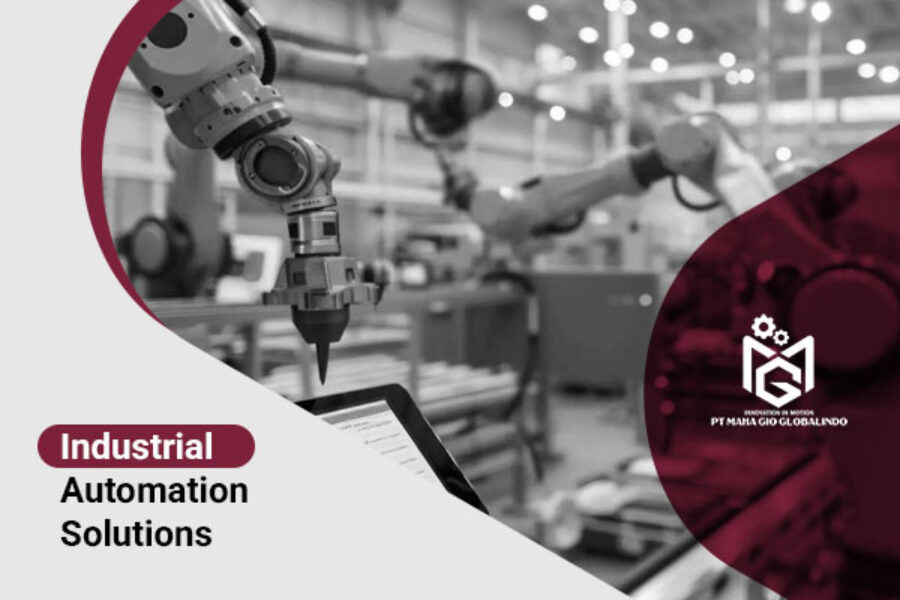
Industrial Automation Solutions
Industrial automation solutions have become an essential part of modern industries. As manufacturing processes continue to evolve, companies increasingly rely on automation technologies to improve productivity, maintain product quality, reduce operational costs, and enhance workplace safety. Today, industrial automation is no longer limited to large-scale factories because businesses of all sizes are adopting advanced systems to remain competitive in rapidly changing markets.
In many industries, manual operations often lead to inconsistent production results, human error, downtime, and inefficient workflows. Therefore, automation systems provide a smarter and more reliable approach to managing industrial operations. By integrating intelligent technologies such as sensors, programmable logic controllers (PLC), robotics, pneumatic systems, and industrial monitoring devices, companies can streamline processes and achieve higher operational efficiency.
At the same time, industrial automation solutions continue to support long-term sustainability goals. Many modern systems help reduce energy consumption, optimize machine performance, and minimize waste production. As a result, industries can improve both profitability and environmental responsibility simultaneously.
What Are Industrial Automation Solutions?
Industrial automation solutions refer to the use of control systems, machinery, software, and advanced technologies to automate industrial processes and operations. These systems help reduce manual intervention while increasing production accuracy and efficiency.
Typically, automation systems include several integrated components such as:
Programmable Logic Controllers (PLC)
PLCs are industrial computers designed to control machinery and automated processes. They monitor input signals, process data, and generate output commands to control equipment efficiently.
Human Machine Interface (HMI)
HMI systems allow operators to monitor and interact with machines through digital displays and control panels. Consequently, operators can easily manage industrial processes and identify issues in real time.
Sensors and Instrumentation
Industrial sensors collect data related to temperature, pressure, flow, speed, and other operational conditions. This information helps maintain process stability and equipment reliability.
Pneumatic and Hydraulic Systems
Pneumatic systems use compressed air to operate industrial machinery, while hydraulic systems use fluid pressure. Both technologies play important roles in industrial automation applications.
Robotics and Motion Control
Industrial robots improve manufacturing precision, reduce repetitive manual labor, and increase production speed. Additionally, motion control systems ensure accurate positioning and synchronization during automated operations.
Benefits of Industrial Automation Solutions
Industrial automation offers numerous advantages across various industrial sectors. As industries continue to face increasing production demands, automation technologies help businesses improve overall operational performance.
Increased Productivity
One of the biggest benefits of industrial automation solutions is improved productivity. Automated systems can operate continuously with minimal interruptions, allowing manufacturers to produce higher output within shorter periods.
Furthermore, automation reduces delays caused by manual operations. Machines can perform repetitive tasks consistently without fatigue, which significantly increases production efficiency.
Improved Product Quality
Consistency is critical in industrial manufacturing. Automation systems help maintain precise operational standards during production processes. Therefore, companies can reduce product defects and improve overall quality control.
In addition, automated inspection systems can quickly detect irregularities and ensure that products meet required specifications before distribution.
Reduced Operational Costs
Although automation systems require initial investment, they help reduce long-term operational expenses. Automated machinery minimizes labor costs, lowers maintenance requirements, and reduces production waste.
Moreover, energy-efficient automation technologies can decrease electricity consumption, resulting in additional cost savings over time.
Enhanced Workplace Safety
Industrial environments often involve hazardous conditions. Automation systems help reduce direct human exposure to dangerous machinery, chemicals, extreme temperatures, and heavy equipment.
As a result, companies can improve workplace safety standards while reducing accident risks and operational disruptions.
Better Operational Monitoring
Modern automation systems provide real-time monitoring and data analysis capabilities. Managers and engineers can track machine performance, identify inefficiencies, and make faster operational decisions.
Consequently, businesses can improve maintenance planning and reduce unexpected downtime.
Applications of Industrial Automation Solutions
Industrial automation solutions are widely used across many industries because they improve operational reliability and support large-scale production demands.
Manufacturing Industry
Manufacturing facilities rely heavily on automation technologies for assembly lines, packaging systems, robotic welding, material handling, and quality inspection.
For example, automated conveyor systems improve product movement efficiency while robotic arms increase assembly precision.
Power Generation Industry
Power plants use automation systems to monitor turbines, electrical distribution, cooling systems, and energy management operations. Automation helps maintain stable performance while reducing operational risks.
Oil and Gas Industry
The oil and gas sector requires advanced automation for pipeline monitoring, pressure control, valve systems, and hazardous environment management. Automated systems improve operational safety and process reliability.
Food and Beverage Industry
Automation technologies support hygienic production processes, accurate ingredient mixing, packaging operations, and quality control within food manufacturing facilities.
Additionally, automated systems help companies comply with strict safety and sanitation regulations.
Pharmaceutical Industry
The pharmaceutical industry demands high precision and strict quality standards. Automation systems help maintain production consistency, accurate measurements, and contamination control.
Automotive Industry
Automotive manufacturers use robotics, motion control systems, and automated assembly lines to increase production speed and maintain high manufacturing accuracy.
Key Components in Modern Industrial Automation
Several important technologies support modern industrial automation systems. Each component plays a vital role in improving operational efficiency and system reliability.
Industrial Sensors
Sensors collect valuable operational data and allow automation systems to respond accurately to changing conditions. Common industrial sensors include proximity sensors, pressure sensors, temperature sensors, and flow sensors.
Variable Frequency Drives (VFD)
VFD systems control motor speed and energy consumption efficiently. Consequently, industries can reduce electricity usage and improve equipment lifespan.
Industrial Communication Networks
Modern automation systems rely on communication protocols such as Modbus, Ethernet/IP, and Profibus to connect machines and control systems effectively.
SCADA Systems
Supervisory Control and Data Acquisition (SCADA) systems provide centralized monitoring and control for industrial operations. Operators can monitor large-scale processes remotely while receiving real-time performance data.
Challenges in Industrial Automation
Despite its many advantages, industrial automation also presents several challenges that companies must address carefully.
High Initial Investment
Automation technologies often require significant upfront costs for equipment, installation, and system integration. However, many businesses achieve long-term returns through increased productivity and reduced operational expenses.
System Integration Complexity
Integrating new automation systems with existing industrial infrastructure can be technically challenging. Therefore, companies need experienced engineering support to ensure smooth implementation.
Cybersecurity Risks
As industrial systems become increasingly connected through digital networks, cybersecurity becomes more important. Businesses must protect automation systems from unauthorized access and cyber threats.
Workforce Adaptation
Automation changes operational workflows and may require employee retraining. Companies should invest in workforce development to ensure employees can operate and maintain modern systems effectively.
Future Trends in Industrial Automation Solutions
Industrial automation continues to evolve rapidly alongside technological advancements. Several emerging trends are shaping the future of industrial operations.
Smart Factory Technology
Smart factories use interconnected systems, real-time data analytics, and intelligent automation to optimize manufacturing performance continuously.
Industrial Internet of Things (IIoT)
IIoT technologies allow machines, sensors, and systems to communicate through internet-based networks. This connectivity improves operational visibility and predictive maintenance capabilities.
Artificial Intelligence and Machine Learning
AI-powered automation systems can analyze large amounts of operational data, identify patterns, and improve decision-making processes automatically.
Energy-Efficient Automation
Sustainability has become a major industrial priority. Therefore, manufacturers increasingly adopt energy-saving automation technologies to reduce environmental impact and operational costs.
Choosing the Right Industrial Automation Partner
Selecting the right industrial automation partner is essential for successful implementation. Businesses should consider several important factors before choosing a supplier or engineering provider.
Technical Expertise
A reliable supplier should have strong technical knowledge and experience in industrial automation systems.
Product Quality
High-quality automation components improve system durability, operational reliability, and long-term performance.
Technical Support
Responsive technical support helps businesses solve operational issues quickly and maintain production continuity.
Comprehensive Solutions
An experienced industrial supplier should provide complete automation solutions, including consultation, installation support, maintenance assistance, and product availability.
Conclusion
Industrial automation solutions play a critical role in improving industrial productivity, efficiency, safety, and operational reliability. As industries continue to adopt advanced technologies, automation systems help businesses remain competitive in increasingly demanding markets.
From manufacturing and power generation to oil and gas, pharmaceuticals, and automotive industries, automation technologies continue to transform industrial operations worldwide. Moreover, innovations such as smart factories, IIoT, and AI-driven systems are shaping the future of industrial efficiency and sustainability.
By investing in reliable industrial automation solutions, companies can optimize operational performance, reduce costs, improve product quality, and support long-term business growth. Therefore, choosing trusted automation technologies and professional engineering support becomes increasingly important for modern industries.